News

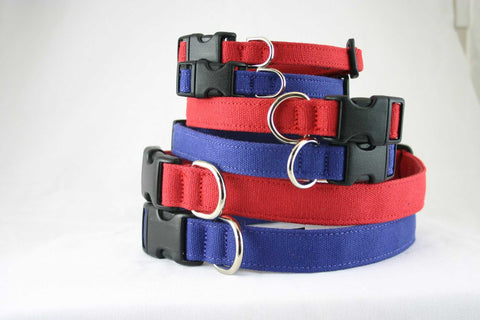
The Real Reasons Your Dog Should Be Wearing a Hemp Dog Collar
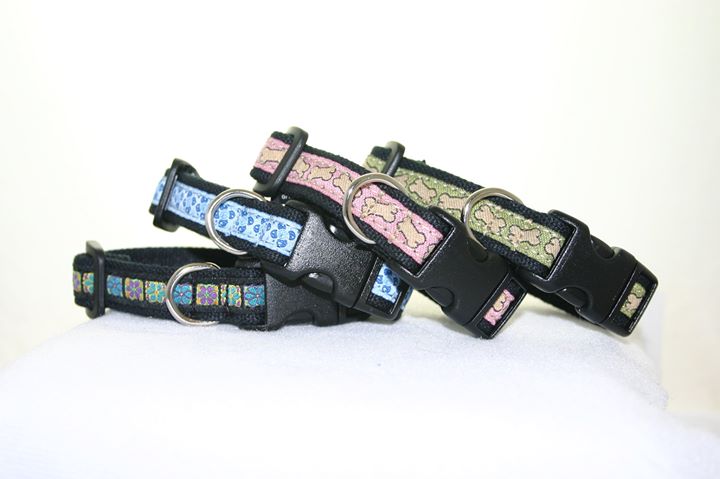
You already know your pooch deserves the best, which is precisely why you pay attention to the ingredients in their food. Unfortunately, many dog owners tend to overlook the ingredients, or rather, the materials in the items they put on their dog and just as you may expect, some of them aren’t ideal at all. The good news is that you’re here looking for healthier alternatives for, and our hemp dog collars are it! To get you and your furry companion started, let’s go over the real reasons your dog should be wearing a collar made of hemp.
Hemp Dog Collars Are Super Durable
 At first, a dog collar may seem like nothing more than a colorful piece of fabric you put on your pooch to hang their tags in the case of an emergency. However, that emergency could very well stem from the type of dog collar you use. When using cheap fabrics, your dog’s collar is much more likely to break, which defeats the purpose of having a dog collar altogether. The collar breaks and the tags are no longer on them and your information is now somewhere lost in public, or worse, your dog’s collar breaks when you’re walking them and they’re a runner. Now, they’ve wandered off on their own with no tags if a stranger finds them.
So, a dog’s collar is much more than just that and it’s imperative to have one that is durable. Hemp dog collars are just that, made out of long, strong fibers that offer optimal durability and safety for your furry family member.
As an added bonus, a durable hemp dog collar means that you won’t have to replace them near as often, saving you big bucks in the bank.
Dog Collars Made of Hemp Are Mildew Resistant and Resist Odors
No one likes a smelly dog. Collars made of synthetic fibers are more likely to have all kinds of bacteria and mildew trapped inside, emitting all kinds of less-than-desirable aromas and bacteria that could make your dog and your family sick.
Dog collars made of hemp help combat this. They are more resistant to mildew growth, so this is one extra thing you don’t have to worry about.
Hemp Dog Collars Are Hypoallergenic
Dogs are like humans in the sense that they can develop allergies and have sensitive skin. If your dog seems to be scratching a lot, we highly recommend taking them to a vet and looking at the type of ingredients in your dog food, as well as the materials in their collar.
On the other hand, if you already know your dog has allergies and sensitive skin, hemp dog collars are 100% hypoallergenic, offering them a comfortable alternative that leaves the entire family feeling good.
Also, hemp dog collars block UV rays!
Hemp Collars for Dogs are Biodegradable
Once your dog collar has served your furry family member, you don’t want it sitting in landfills for many years to come. Fortunately, dog collars made of hemp are biodegradable, so you can feel good about your purchase from start to finish.
When you dress your pooch up in a hemp dog collar, you’re providing them, as well as yourself with an abundance of woof-worthy benefits. Shop The Good Dog today for healthier alternatives for dogs – from collars made from hemp, hemp dog toys, hemp ropes for dogs and much more.


Corduroy Collars In Great Color For Your Pets !

Basic Red Dog Hemp Harness
Your dog will thank you for buying this basic red harness that's made from Hemp and Certified Organic Cotton. Very easy to slip on and your dog will enjoy a walk or running with his buddy when wearing this harness. Made in the USA ! Sizes - Small to Large.

Our NEW WEBSITE!
They say all good things come with time--We feel we have a good thing in our new website. 
Forty Five Degrees North did a great job. Thank you.
Now we hope you (our customers) like it!
Note to our wholesale customers-- At this time, you will not be able
to place you order through the website, however, you can fax, email, or
phone in your order. If you do not have our order form on file, just
call and we will email it to you. Your old password will no longer work
so we need to ask that you complete the Wholesale Info form and we will
get log-in info to you. We know what you are thinking.......another
password. Woof! 
Photos of The Good Dog Company Friends


-
We invite you to send us a photo of your "best friend". We love to share!